Making Performance Visible, Making Improvement Inevitable
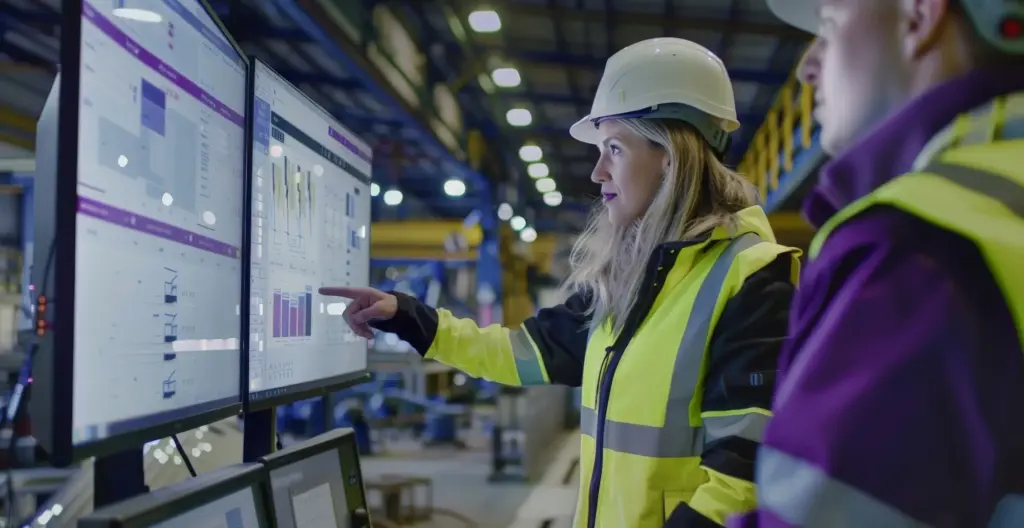
Today we focus on visual management boards for real-time factory performance, turning complex data into clear signals that prompt faster decisions, safer work, and measurable gains. Expect practical examples, proven routines, and design tips drawn from shop floors where downtime shrank, output stabilized, and teams felt proud of the wins they could literally see. Share your board photos, insights, or questions, and let’s learn from each other’s experiments and successes.

Clarity at a Glance on the Shop Floor

Under pressure, verbal updates blur, but bold visuals endure and guide action. A simple red block for unplanned downtime triggers help without negotiation, while green confirms standard flow. By translating status into symbols everyone recognizes, meetings shorten, handoffs improve, and energy goes to solving, not explaining. Teams report fewer misunderstandings and a calmer rhythm, even when variability spikes unexpectedly across lines.
Choose a limited palette with unbreakable meaning: green equals normal, yellow signals risk, red demands immediate response. Pair these with icons for changeovers, materials, quality holds, and safety. Add bold lanes and borders that frame focus areas and responsibilities. Over time, this visual language becomes muscle memory, empowering new hires, multilingual teams, and cross-functional leaders to collaborate without confusion or delay.
One plant’s night shift struggled to escalate maintenance promptly. After installing a large, backlit board with live OEE, downtime reason codes, and a flashing escalation strip, calls rose by thirty percent within a week. Response times halved because the trigger was literally undeniable. Operators reported relief, supervisors slept better, and the team won recognition for the quarter’s most consistent recovery pace.

From Whiteboards to Connected Dashboards

Start analog to learn the conversation, then digitize to scale the cadence. Whiteboards build habits, highlight what matters, and reveal the minimal data necessary for steady flow. Once routines stabilize, digital boards draw from machines and MES in near real time, preserving the human rhythm while eliminating transcription lag. The best journeys blend marker ink and sensor data, turning lessons into live automation that never forgets.

Choosing Hardware That Survives Dust, Gloves, and Distance

Screens must be bright, rugged, and legible from the aisle. Touch targets should respect gloved hands; enclosures should resist dust and vibration. Consider mounting angles that avoid glare and neck strain. If power or network drops, cached displays should persist. Reliable hardware reduces cognitive friction so your team trusts the board under Monday chaos and Friday fatigue alike.

Integrating with MES, ERP, and CMMS Without Drowning Users

Pull only the essential metrics that drive action: planned versus actual, top downtime reasons, changeover status, quality yield, and work-in-progress constraints. Hide the rest behind drill-downs or QR codes. Sync with maintenance systems for automated work orders and with scheduling tools for forecast transparency. When data feels curated rather than dumped, people return to the board because it helps them win each hour.

Security, Reliability, and Updates That Don’t Break the Shift

Use role-based access and hardened devices; segment networks where possible. Plan updates outside takt peaks and maintain rollback paths. Log display uptime alongside production uptime to prevent monitoring blind spots. Train a small cadre of super-users who can troubleshoot quickly. When stability is boring and predictable, the board fades into the background as a trusted partner to everyday problem solving.

Metrics That Matter: OEE, Takt, and Flow

Performance improves when people align on a concise set of measures that describe reality without excuses. Visual boards should spotlight OEE components, takt alignment, first-pass yield, and flow stability. The display must turn abstract rates into tangible commitments at the hour, not just the shift. By linking numbers to response triggers, the factory learns to correct faster and celebrate meaningful progress together, not in isolated silos.

Making OEE Visible Without Blame or Confusion

Break availability, performance, and quality into simple, color-coded tiles with trend arrows and daily targets. Show top three downtime causes, not twenty. Keep it judgment-free: data reveals patterns; people decide countermeasures. Recognize when a five-minute fix saved the hour. This balance keeps the mood constructive, builds confidence, and sustains honest reporting even when the numbers dip below yesterday’s high watermark.

Takt Time That Breathes with Demand and Reality

Represent takt as a living heartbeat line, updated with schedule changes. Pair it with actual cycle time bars and an at-a-glance buffer indicator. When gaps appear, teams request help or rebalance workloads. When surplus builds, they invest in quality checks or 5S. A breathing takt visualization keeps everyone aligned with customers, not just the clock, reducing overproduction while protecting on-time delivery.

Visualizing Flow with WIP Limits and Clear Constraints

Map process steps horizontally with WIP counters and red caps that light up when limits are exceeded. Show blocked and starved signals distinctly. If material queues swell, highlight the upstream cause, not just the symptom. Operators learn to pull, not push. As constraints migrate, update the visual and teach the story again. Flow discussions become simpler, faster, and far more respectful.

Designing Boards that Drive the Right Behaviors

Great visuals are not art for art’s sake; they are carefully engineered to trigger timely conversations, clarify ownership, and make the next best action unmistakable. Layouts should reduce eye travel, prioritize exceptions, and guide the daily cadence. Standard templates help, but local teams must be free to adapt responsibly. When design anticipates human habits, operators feel supported, leaders coach better, and improvements stick.

Layout Patterns That Reduce Eye Travel and Cognitive Load

Anchor the top-left with safety and critical alerts, then show plan versus actual, followed by quality and maintenance. Keep legends visible but minimal. Use consistent grids so information never plays hide-and-seek. Align typography for quick scanning. This structure gently trains attention, enabling faster stand-ups and quieter shifts where fewer words accomplish more action and clarity grows almost automatically.

Behavioral Nudges, Ownership Cues, and Escalation Paths

Place small, visible commitment checkboxes for countermeasures, each with named owners and due times. Use micro-deadlines aligned to the hour to reduce procrastination. Color a lane when help is requested so supervisors see it from afar. Provide a simple escalation ladder printed right on the board. Accountability becomes visible, supportive, and shared, replacing ambiguity with calm, consistent follow-through.

Accessibility and Multilingual Support on Busy Lines

Favor universally understood icons, high-contrast palettes, and large numerals legible through protective eyewear. Provide bilingual labels where needed and minimize text blocks during peak motion. Offer QR codes for longer explanations, SOPs, or training clips. When every role can immediately read the board, inclusion rises, rework falls, and new team members reach confident independence significantly faster than before.

Rituals that Turn Data into Daily Wins

Boards matter only if people gather, think, and act around them. Establish predictable stand-ups, tiered huddles, and focused gemba walks anchored on what the visuals reveal. Keep cycles short, respectful, and problem-focused. Celebrate small victories immediately, not at month-end. Invite suggestions in the moment. Over time, these rituals convert numbers into narratives, building momentum that carries the factory through variability, audits, and seasonal swings.

Governance, Templates, and Guardrails that Encourage Adaptation

Publish a concise playbook with non-negotiables and creative freedoms. Offer starter templates for different process types, along with print-ready assets and digital widgets. Create a small review rhythm to keep boards useful and current. These guardrails speed rollout, reduce confusion, and preserve the spirit of problem solving while ensuring leaders can read any board across the network within seconds.

Change Management, Training, and Early Champions
Identify respected operators and supervisors to pilot changes, gather feedback, and model the new routines. Offer short, hands-on training that solves real problems during the session. Recognize small wins publicly on the board itself. When people see peers succeeding, skepticism turns into curiosity, then commitment. Share your lessons with us too, so our community can refine these practices together.
Karorizoxazaxurulirolone
Privacy Overview

This website uses cookies so that we can provide you with the best user experience possible. Cookie information is stored in your browser and performs functions such as recognising you when you return to our website and helping our team to understand which sections of the website you find most interesting and useful.