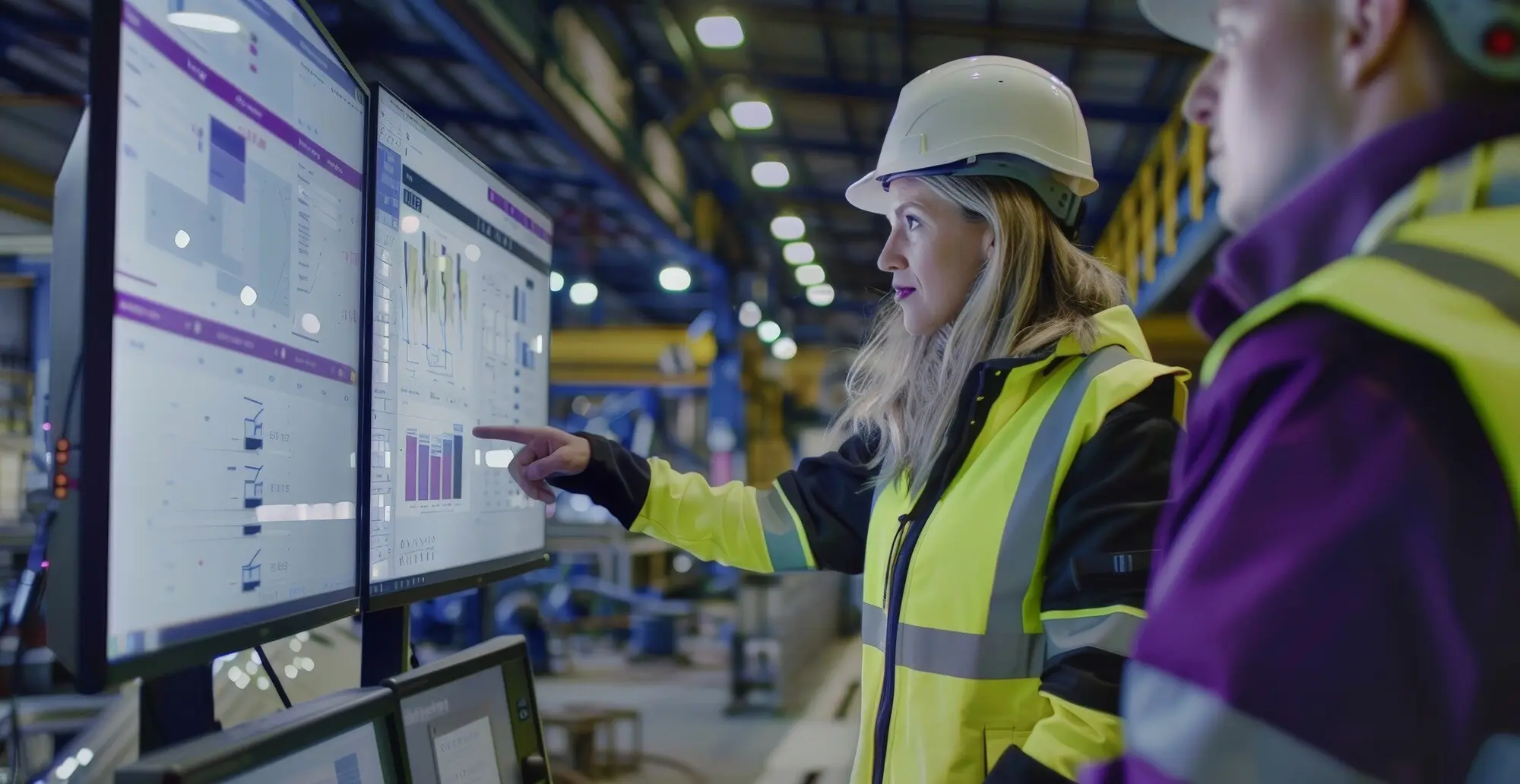
Put Operators at the Center of Every Metric
Dive into operator-centric KPI dashboards for manufacturing lines, where real-time signals become simple, actionable guidance. From OEE to safety observations, we translate complex data into glanceable cues, coaching steps, and confident next actions for every shift. Learn pragmatic patterns, integrations, and roll-out tactics that reduce downtime, boost first-pass yield, and empower the people closest to the work. Share your shop-floor wins or questions in the comments and help shape our next improvements.

Why Frontline Context Beats Pretty Charts

Slick visuals rarely help when a machine stalls and seconds matter. Operators need dashboards that frame KPIs in situational context: what just changed, why it likely happened, and which safe action to try first. We emphasize time windows aligned to cycles, workstation specifics, and upcoming jobs, so every tile becomes guidance, not decoration. Comment with scenarios that frustrate your crew, and we will prototype solutions.

01

Cognitive Load, Reduced

Dashboards must respect human attention. We combine large numerals, unambiguous color codes, and limited concurrent alerts to minimize overload. Think green-amber-red with shapes for color-blind users, plus trend arrows only when direction matters. Operators can understand status within one glance at two meters, even during shift noise.

02

Action Over Aggregation

Aggregated weekly charts hide the cause of today’s lost minutes. We expose micro-stops, reason codes, and live constraints, then pair each with a suggested action: verify feeder alignment, clean photoeye, or call maintenance. One tap logs the step, starts a timer, and escalates if recovery lags.

03

Trust Built With Accuracy

Nothing erodes adoption faster than numbers that drift from reality. We timestamp at source, align to cycle counters, validate units, and buffer locally during outages. Operators see consistent KPIs across stations and shifts, and they can flag suspect readings directly, attaching photos or short voice notes for follow-up.
Choosing KPIs That Move the Line

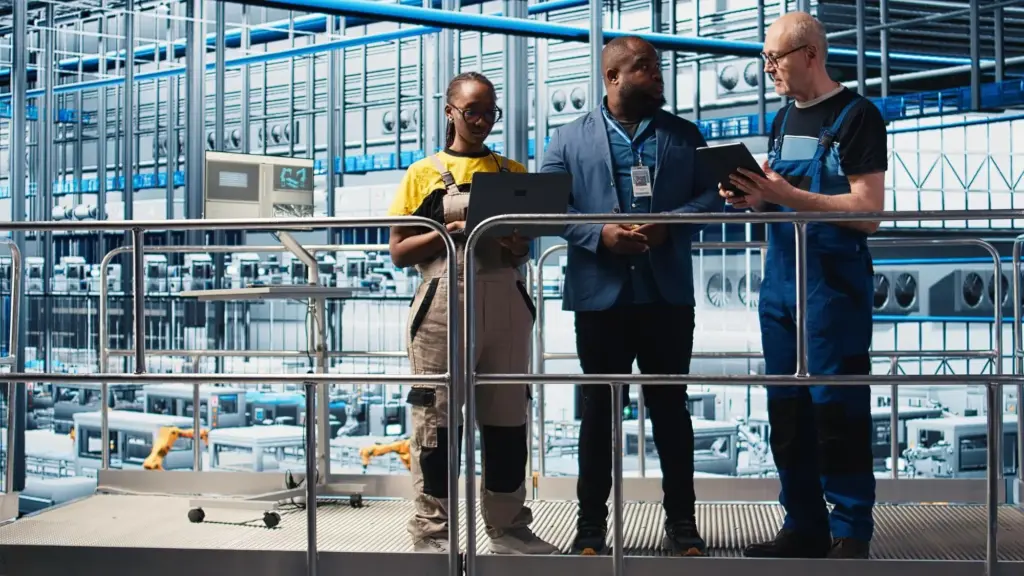
Not every metric deserves front-and-center placement. We prioritize line-level and station-level KPIs that operators can actually influence within the current shift: OEE components, first-pass yield, scrap by reason, changeover duration, takt adherence, and safety checks completed. Each card explains its impact in plain language and links to a playbook, turning numbers into momentum the moment a deviation appears. Share your must-have metrics below.

Interfaces Designed for Glanceability

On the line, attention is split among people, machines, and movement. Interfaces must speak clearly at a glance, under harsh lighting, and with gloves on. We focus on large touch targets, persistent state summaries, meaningful icons, and audible or haptic cues that respect hearing protection. Operators can personalize density and contrast without breaking standardization across shifts.

Wiring Into Your Factory Data

Great dashboards die on bad data. We connect at the edge to PLCs, sensors, and vision systems, buffer during network hiccups, and normalize tags into a friendly model. Low-latency updates keep counts honest while strict governance protects change control. IT and OT both win when integrations are observable, versioned, and documented.

Guided Responses That Close the Loop

Playbooks Triggered by Conditions

Rules monitor combinations like rising temperature plus increasing reject rate. When matched, the screen expands with concise steps, photos of good versus bad states, and timers that keep momentum. If a fix fails, the system suggests the next route, avoiding dead ends and repeated, exhausting guesswork.

Collaborative Escalation and Handover

Some issues need extra hands. One tap summons maintenance or quality, shares live context, and starts a shared channel with timestamps. Shift handover snapshots summarize what changed, what remains risky, and which parts are waiting. Nobody starts cold, and accountability becomes simple, supportive, and transparent across departments.

Learning From Every Intervention

After the rush, reflection cements improvement. The dashboard compiles interventions, outcomes, photos, and time-to-recover to propose better defaults. A midsized plant reported 18% faster changeovers in six weeks after standardizing playbooks. Share your before-and-after stories so others can borrow winning steps and avoid dead ends.

Adoption, Outcomes, and Continuous Improvement

Technology only matters when people embrace it. We recommend starting small, winning trust with real fixes, and scaling with champions on every shift. Publish clear success metrics, celebrate operator ideas, and retire vanity views. Expect surprises, measure honestly, and iterate relentlessly. Tell us what would help your rollout tomorrow.
Karorizoxazaxurulirolone
Privacy Overview

This website uses cookies so that we can provide you with the best user experience possible. Cookie information is stored in your browser and performs functions such as recognising you when you return to our website and helping our team to understand which sections of the website you find most interesting and useful.